What Makes Them Ethical: lab grown diamond engagement rings
Introduce the Elegance of Lab Grown Diamond Engagement Rings for a Remarkable Marriage Proposition
Lab-grown diamond engagement rings are getting popularity as couples look for alternatives that incorporate elegance with ethical factors to consider. These rings offer the exact same stunning qualities as all-natural rubies yet are usually much more budget friendly. This makes it possible for people to select larger or more intricate designs. As the fad remains to evolve, recognizing the nuances of lab-grown rubies can substantially influence the decision-making process for an unforgettable proposition. What variables should one consider when choosing the perfect ring?
The Elegance of Lab-Grown Diamonds

Environmental Advantages of Picking Lab-Grown
Picking lab-grown rubies uses significant environmental advantages, as their production decreases the eco-friendly influence connected with traditional diamond mining. The extraction of natural diamonds often causes logging, soil erosion, and disturbance of regional ecological communities (lab grown diamond engagement rings). On the other hand, lab-grown rubies are created in regulated atmospheres utilizing advanced modern technology, noticeably minimizing land deterioration and habitat damage
Cost Without Concession
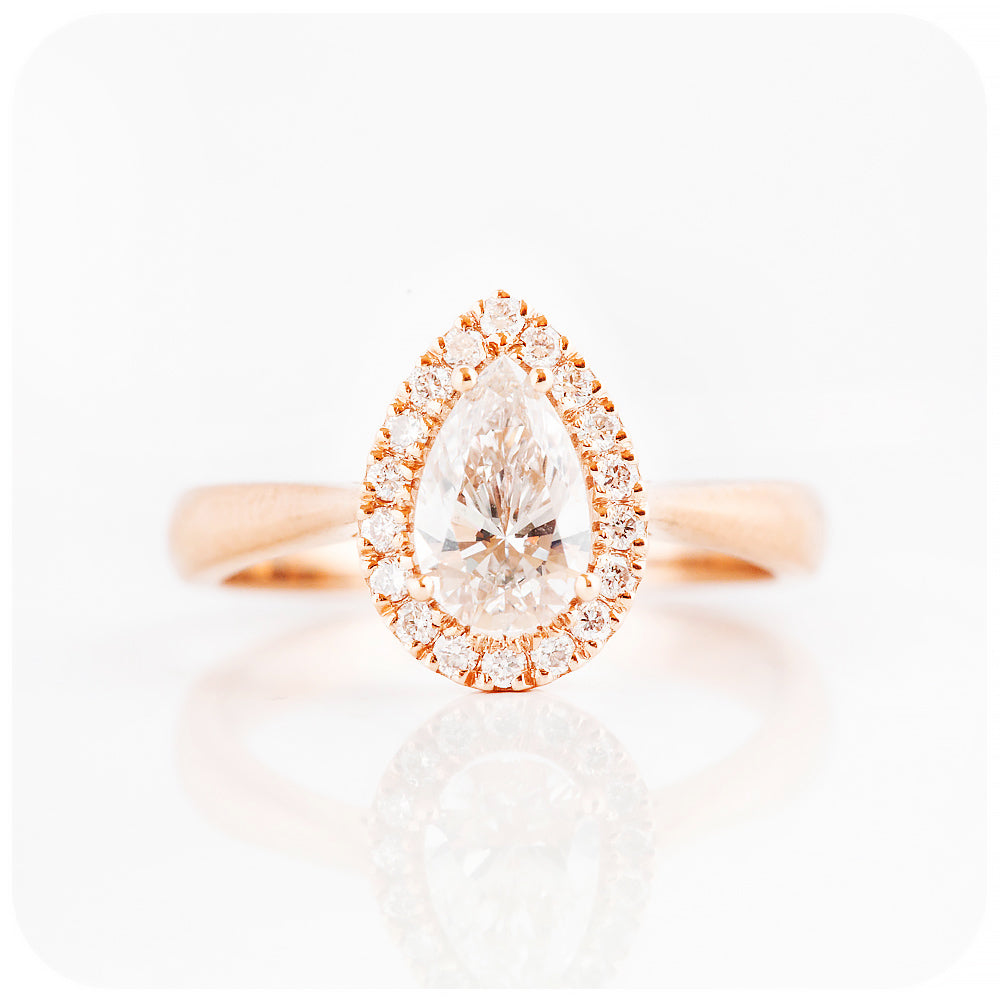
While many couples seek a sensational engagement ring that signifies their love, the financial burden of typical diamond rings can be frustrating. Lab-grown diamond engagement rings present an engaging alternative, using the same appeal and sparkle as their mined counterparts at a portion of the cost. These fairly sourced gems enable pairs to purchase a ring that symbolizes their commitment without stretching their spending plan. With prices commonly 20% to 40% less than natural rubies, couples can go with larger carat weights or better setups without compromising on top quality. This cost encourages couples to prioritize their economic goals while still celebrating their love with an exquisite ring that absolutely shows their unique bond.
Personalization Options for One-of-a-kind Rings
Lab-grown diamond engagement rings not only use price but likewise provide a wide range of customization options for pairs seeking to develop an one-of-a-kind piece. From choosing the form and cut of the diamond to individualizing the metal type-- be it gold, platinum, or climbed gold-- pairs have endless possibilities. Engraving special messages or dates inside the band includes a nostalgic touch, while picking unique settings can improve the ring's general aesthetic. Furthermore, customers can decide for accent stones, such as sapphires or emeralds, to enhance the main diamond - lab grown diamond engagement rings. The ability to tailor every element of the ring ensures that each item mirrors the pair's individual style and romance, making the proposal a lot more remarkable
Tips for Suggesting With Self-confidence
Frequently Asked Inquiries
Just How Do Lab-Grown Diamonds Compare to Natural Diamonds in Longevity?
Lab-grown rubies and all-natural rubies have similar longevity, both rating at 10 on the Mohs range of firmness. Their structural buildings assure resistance to scraping and damage, making them similarly suitable for everyday wear in jewelry.
Can Lab-Grown Diamonds Be Marketed in the Future?
Lab-grown rubies can be resold in the future, but their resale value may be lower than all-natural rubies because of market understandings and demand (lab grown diamond engagement rings). Factors like brand and certification can also influence their visit this site resale potential
Exist Any Type Of Certain Treatment Directions for Lab-Grown Diamonds?
Lab-grown diamonds require mild treatment, consisting of routine cleaning with light soap and cozy water. Avoid rough chemicals and keep them independently to stop scratches. Regular assessments by a professional jewelry expert can help preserve their brilliance and stability.
What Accreditations Should I Seek in Lab-Grown Diamonds?
When thinking about lab-grown rubies, one ought to seek accreditations from trusted organizations such as the Gemological Institute of America (GIA) or the International Gemological Institute (IGI), making sure quality and credibility in the acquisition.
Do Lab-Grown Diamonds Have a Resale Worth Like Natural Diamonds?
Lab-grown rubies generally have lower resale values contrasted to natural rubies. Their market need changes, and several jewelers accept them, yet prospective sellers may face depreciation, making them less beneficial in resale scenarios.
Picking lab-grown diamonds provides significant ecological benefits, as their production reduces the environmental impact associated with conventional diamond mining. Lab-grown diamond engagement rings not only use price yet also supply a wealth of personalization choices for pairs looking to develop a distinctive piece. Lab-grown diamonds and natural rubies have similar sturdiness, both ranking at 10 on the Mohs my link scale of hardness. Lab-grown diamonds can be resold in the future, but their resale value may be reduced than all-natural rubies due to market assumptions and need. Lab-grown rubies typically have reduced resale worths contrasted to all-natural diamonds.